The S.A.F.E. course · Sierra
Stall and spin awareness: recognise a stall coming and recover in the order the FAA teaches, then rehearse the power-off stall in 3D.
 Training
Rehearse manoeuvres in 3D with the instructor’s callouts, then study the checklists, rules and radio work that go with them.
Stall and spin awareness: recognise a stall coming and recover in the order the FAA teaches, then rehearse the power-off stall in 3D.
The stall, spin and upset recoveries, one per card, ready to print for a practice flight with your instructor.
An introduction to aerobatics: the rules, the airplane, the checks before every session, and the loop.
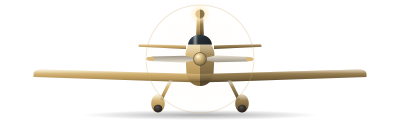
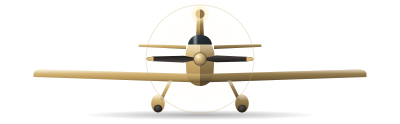
Upset prevention and recovery: what an upset is, how to prevent one, and the nose-low and nose-high recoveries the FAA teaches.
A steep descending spiral, recovered: push to unload, roll wings level, power to idle, ease back to level flight.
A skidding turn at low speed becomes the first turn of a spin, and the recovery: power idle, ailerons neutral, opposite rudder, elevator forward.
The nose pitched high and the speed falling away, recovered before a stall: forward pressure, bank if needed, wings level, power.
The departure stall: full power, the nose too high, the break with a wing dropping, and the recovery.
The stall horn, the buffet, the break, and the recovery: reduce the angle of attack, wings level, power, climb away.
Fly the loop in 3D from four views, with the instructor’s callouts, paced to your voice.
Sit in the front seat on a real runway and work through the run-up.
The 152’s own run-up, with its handbook figures: 1,700 RPM, a 125 RPM magneto limit.
The Warrior’s own run-up from its handbook: 2,000 RPM, a 175 RPM magneto limit, vacuum and fuel pump checks.
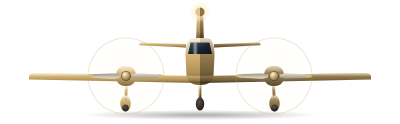
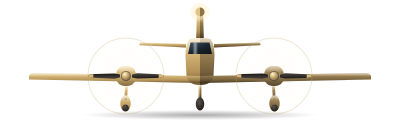
In the Seminole, from runway 1L: the left engine fails at four hundred feet. Directional control, power, clean up, identify, verify, feather, and climb at blue line.
The steps to know your airplane, in order: its checklists, its speeds, the run-up and the radio, each ticked off as you do it.
Your aircraft’s speeds until you know them cold: a short quiz each day, each speed returning after one, three, seven and twenty-one days.
Press and hold to talk: a controller answers, and each call is checked for what it needs. Towered, non-towered and arrival.
The twin’s ground check from its handbook: the feather check at 1,500 RPM, magnetos at 2,000, propellers exercised, alternators and the idle check.
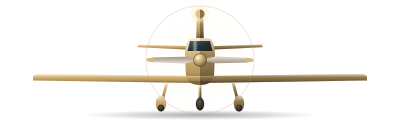
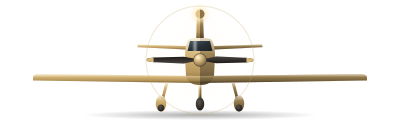
81 aircraft, every phase, tap or say “check”.
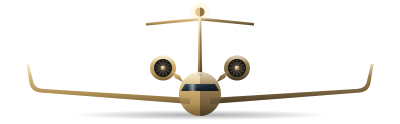
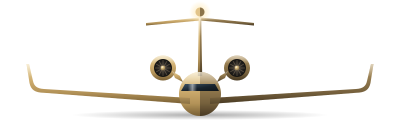
A training flight at Napa: the assistant in action, with live weather.
Classes A to G: entry, equipment and VFR minimums.
The regulations pilots check most, in plain words.
Frequencies, codes, light signals and how to make a call.
Density altitude, crosswind, wind triangle, fuel, weight and balance.